Falls cause a lot of injuries for older adults, putting their freedom and health in danger. As the body ages, balance gets shakier, strength fades, and coordination slows, making falls more common. The bright side is many falls can be prevented with easy, clever steps that keep you steady and active. Picking up these habits lowers the chance of falling and makes walking easier and more confident. Anyone wanting to stay safe on their feet will find helpful tips that really work. Keep reading to learn how to guard yourself and stay strong in motion.
Supporting mobility isn’t just about preventing accidents; it’s about empowering individuals to live actively and comfortably. By understanding how mobility supports fall prevention, implementing practical strategies, and fostering a safe environment, both caregivers and older adults can work together to create a safer, more capable life at home and beyond. In this article, we’ll explore ways to prioritize mobility support and set the foundation for safer living during the fall-prone years.
Understanding Fall Risks and the Role of Mobility
Why Fall Prevention Matters for Our Aging Population
Statistics reveal that one in four adults over 65 experiences a fall each year, often leading to serious injuries such as fractures or head trauma. These incidents not only cause physical harm but can also result in emotional distress, fear of falling, and reduced activity levels. The cycle of inactivity further weakens muscles and balance, setting the stage for more falls.
By focusing on mobility, we target one of the most effective ways to break this cycle. Proper support and maintenance of movement abilities help sustain strength, flexibility, and confidence. Recognizing the significance of this connection is the first step toward meaningful prevention efforts.
Key Components of Mobility Support for Fall Prevention
Strength and Balance Exercises
Incorporating regular strength and balance activities can drastically lower fall risk. Exercises such as standing on one foot, heel-to-toe walking, and gentle resistance training improve muscle tone and stability. Healthcare providers often recommend programs like Tai Chi or specific physical therapy routines tailored for older adults.
Consistency is vital. Even 15-minute sessions, three times a week, can lead to noticeable improvements. Encouraging participation in group classes or inviting family members to join can boost motivation and enjoyment.
Flexibility and Range of Motion
Maintaining flexibility prevents stiffness and enhances movement fluidity. Stretching routines targeting major muscle groups—legs, hips, and lower back—help improve joint motion. Yoga adaptations for seniors have gained popularity for their dual benefits of flexibility and mindfulness, contributing to overall mobility support.
Consulting with healthcare professionals ensures exercises are safe and suitable for individual health conditions.
Creating a Safe Environment to Support Mobility
Home Modifications to Reduce Fall Hazards
- Secure rugs and eliminate clutter: Keep pathways clear of cords, furniture, and other obstacles.
- Improve lighting: Use bright, even lighting in all rooms, especially stairways and hallways.
- Install grab bars and handrails: Place them in bathrooms, staircases, and along hallways to provide stability support.
- Use non-slip mats: Place them in the shower, bathtub, and kitchen areas.
Routine assessments of the home environment can identify potential hazards and ensure ongoing safety measures are in place.
Choosing Appropriate Mobility Devices
Walking Aids for Stability and Confidence
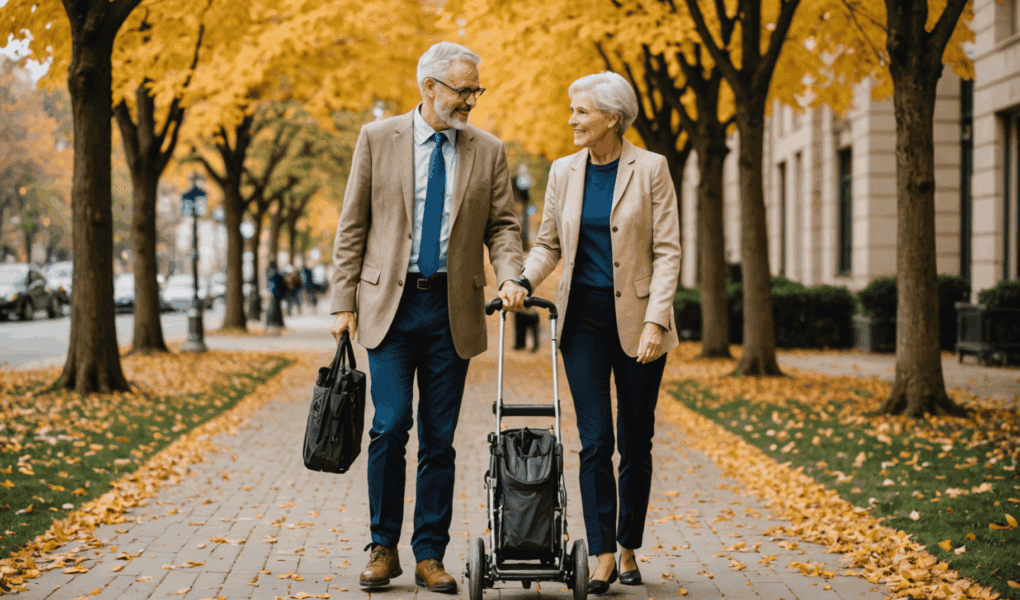
Assistive devices like canes and walkers can provide much-needed support during movement. Selecting the right device and ensuring proper fit is crucial for safety and comfort. For some, a cane may offer sufficient stability, while others might benefit from a walker with additional support features.
Regular assessment of mobility aids ensures that devices remain suitable as needs change. Proper training on their use helps prevent misuse, which can increase fall risk.
Promoting Lifestyle Choices that Support Mobility
Encouraging Active Living and Social Engagement
Remaining active supports muscular strength, endurance, and mental well-being. Simple daily activities like gardening, walking outdoors, or participating in community events maintain mobility levels and improve mood.
Social engagement also plays a role in fall prevention. Participation in group activities or fitness classes fosters motivation and adherence to movement routines. A supportive social network can motivate older adults to stay active and vigilant about safety.
Working with Healthcare Professionals for Personalized Prevention
Regular check-ups with healthcare providers help identify medical conditions that may impact mobility, such as arthritis, osteoporosis, or balance disorders. Physical therapists can craft individualized programs that address specific needs, making mobility support more effective.
Additionally, medication reviews can eliminate drugs that cause dizziness or impair balance, further reducing fall risk. Collaboration with professionals provides targeted strategies tailored to each person’s health profile.
Conclusion: Taking Action for Safer, More mobile Living
Preventing falls begins with recognizing the importance of mobility support and actively implementing measures to maintain movement abilities. Incorporating strength and balance exercises, creating a safe environment, choosing suitable mobility aids, and fostering active lifestyles all contribute to a significant reduction in fall risk. Empowerment through knowledge and action transforms risk prevention from a daunting task into a manageable goal.
Remember, collaborating with healthcare experts and staying informed about safety practices creates a foundation for independence and well-being. Small daily steps can lead to a life filled with movement, confidence, and safety. Take the first step today by exploring reliable resources, mobility tips for seniors, and making necessary changes that support mobility and safety—your future self will thank you.