
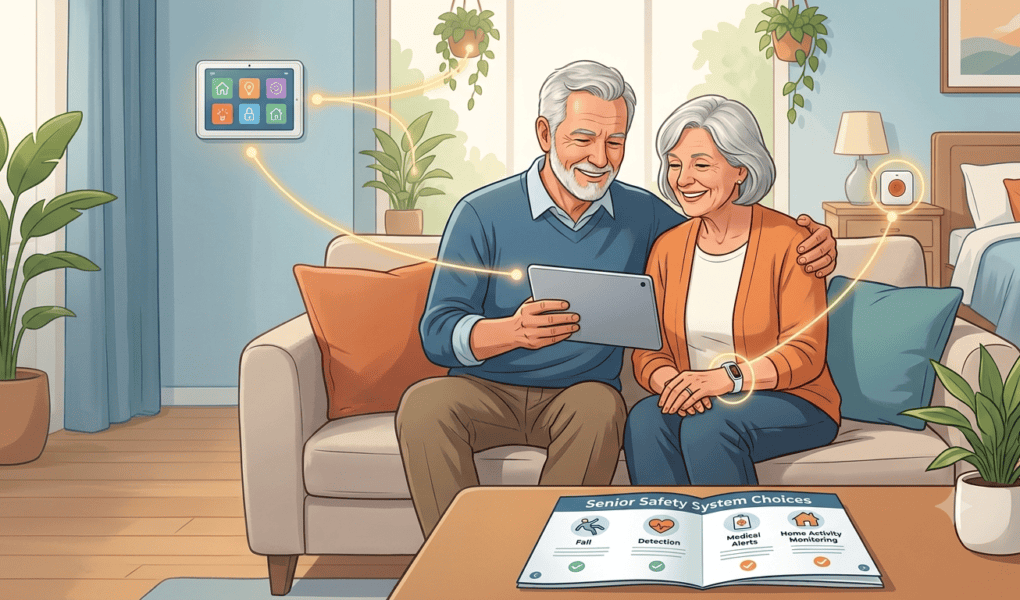
As we age, living independently becomes increasingly important. Many seniors want to stay in their homes, surrounded by familiar memories and routines. This desire for autonomy is strong, but it also comes with potential concerns for loved ones. I understand these worries because I have seen firsthand the challenges families face when a senior family member lives alone.
Ensuring the safety and well-being of older adults is a top priority for families everywhere. The good news is that advancements in technology offer solutions that were not available years ago. These tools can help bridge the gap between a senior’s desire for independence and a family’s need for reassurance.
Modern **Senior Safety Systems Delivering True Peace of Mind** provide an essential layer of protection. They are designed to monitor, respond, and support seniors in their daily lives. My goal here is to explain how these systems work and how they can truly ease the minds of everyone involved.
Understanding the Need for Senior Safety Systems
The decision to implement a senior safety system often comes from a place of love and concern. Families want to make sure their elderly parents or grandparents are safe. I have spoken with many people who express anxiety about falls, medical emergencies, or simply knowing if their loved one is okay. These worries are very real and valid.
For seniors, maintaining dignity and control over their lives is key. They might resist assistance that feels intrusive or takes away their independence. Finding a balance is crucial, and that is where carefully chosen safety systems come in. They offer support without being overbearing, letting seniors live more freely.
Common Risks Faced by Seniors
Seniors face several common risks as they continue to live independently. Falls are perhaps the most talked about danger. A fall can lead to serious injuries like fractures, and it often marks a turning point in a senior’s ability to live alone. I have seen how quickly a single fall can change everything.
Beyond falls, medical emergencies can happen suddenly. A heart attack or stroke requires immediate attention. If a senior is alone, getting help quickly is vital. Another concern is wandering, especially for those with cognitive conditions. Leaving the house unsupervised can put them in harm’s way.
Fires, carbon monoxide leaks, and home intrusions are other potential threats. While these might not happen every day, the possibility adds to a family’s stress. Safety systems are designed to address these varied risks in a comprehensive way.
The Emotional Toll on Families
The constant worry for an aging parent or loved one takes a significant emotional toll on families. I have witnessed children struggling to balance their own lives with the need to frequently check on a senior. This can lead to burnout and feelings of guilt.
Families often feel a profound sense of responsibility. They want to be there for their elders, but physical distance or work commitments make constant supervision impossible. This creates a gap where anxiety can grow. Knowing that a system is in place offers comfort.
The goal is not to replace human care but to augment it. These systems allow family members to relax some, knowing there is an extra layer of protection. This lets them focus on quality time together, instead of just constant checking in.
Core Components of Effective Senior Safety Systems
When I think about what makes a safety system truly effective for seniors, I consider several key factors. It needs to be reliable and easy to use. A complicated system is one that will not be used, and that defeats the whole purpose. The technology should enhance life, not complicate it.
Moreover, effective systems are discreet. They do not make a senior feel like they are under constant surveillance. The best tools blend into daily life, providing silent support. This helps seniors maintain their sense of normalcy and privacy.
Essential Technologies for Monitoring
Many essential technologies contribute to robust senior safety systems. One of the most common is a personal emergency response system, often a button worn as a pendant or bracelet. Pressing this button connects the senior to help quickly.
Motion sensors and door/window alarms can detect unusual activity, such as a lack of movement for an extended period or a door opening at an odd hour. These provide a general overview of activity in the home. I find that these sensors are quite unobtrusive.
Smart home devices, like smart speakers or automated lighting, can also play a role. They can simplify tasks and respond to voice commands, making daily living easier and safer. These small conveniences add up to a safer home environment.
Proactive Versus Reactive Measures
A good senior safety system uses both proactive and reactive measures. Reactive measures are what most people think of immediately. This is the emergency button that calls for help after a fall or medical event. It is about responding quickly when something goes wrong.
Proactive measures are about preventing incidents or detecting problems before they become critical. For example, medication reminders ensure seniors take their pills on time. Environmental sensors can detect smoke or carbon monoxide early. I believe that prevention is always better than reaction.
Proactive monitoring can also involve AI-powered sensors that learn a senior’s routine. If there is a significant deviation, such as not getting out of bed by a certain time, the system can send an alert. This offers early warning signs that can prevent a larger crisis from happening.
How Technology Supports Independent Living
I am a firm believer that technology, when used correctly, can greatly empower seniors to live independently longer. It is not about replacing human contact or care. It is about extending a helping hand where needed, creating a safety net, and giving seniors the confidence to manage their own lives.
The right tools can reduce isolation and make daily tasks less daunting. They can even help seniors stay connected with family and friends, which is a key part of overall well-being. It is about freedom and peace of mind for everyone involved.
Wearable Devices and Their Benefits
Wearable devices are at the forefront of modern senior safety. These often include smartwatches or pendants with integrated fall detection. If a fall occurs, the device can automatically alert emergency contacts or monitoring services. I know many families who find this feature particularly comforting.
Many wearables also track activity levels, heart rate, and sleep patterns. This data can be shared with family members or caregivers. They can gain insights into overall health trends, so they can spot potential issues early. These devices are lightweight and easy to wear all day.
Some wearables even include GPS tracking. This is invaluable for seniors who may be prone to wandering, allowing family members to locate them quickly if they become disoriented. The technology is designed to be as seamless as possible.
Smart Home Integration for Enhanced Safety
Integrating smart home technology can transform a senior’s living space into a safer, more responsive environment. Voice-activated assistants can control lights, thermostats, and even lock doors with simple commands. This is especially helpful for seniors with limited mobility.
Smart lighting systems can prevent falls by ensuring hallways are always lit when someone walks through. Automated locks can provide peace of mind, knowing the home is secure. I find these systems blend seamlessly into the background.
Beyond convenience, smart home devices can also monitor for risks. Water leak sensors can prevent significant damage and potential fall hazards. Smart smoke detectors can alert emergency services directly, even if a senior cannot respond. This level of interconnected safety offers true reassurance.
Choosing the Right Senior Safety System for Your Loved One
Selecting a senior safety system requires careful thought and consideration. There is no one-size-fits-all solution. What works perfectly for one senior might not be suitable for another. I always advise families to involve their loved one in the decision-making process whenever possible.
The goal is to find a system that meets specific needs without feeling intrusive. It should be reliable, user-friendly, and provide the level of monitoring and support that truly offers peace of mind. Taking time to research options is important.
Factors to Consider for Personalization
When you are choosing a system, consider the senior’s health status and specific vulnerabilities. Do they have a history of falls? Are there any cognitive impairments? Do they have specific medical conditions that require constant monitoring? These details guide your choices.
Also think about their comfort level with technology. Some seniors are tech-savvy, while others prefer very simple, straightforward devices. The ease of use is paramount for consistent adoption. We also need to assess the living environment.
I recommend looking into different senior safety system features that are available on the market. These can include emergency calling capabilities, automatic fall detection, and daily check-in services. Considering factors like cost, installation process, and ongoing support from the provider is also a must. A personalized approach ensures the system truly benefits the senior.
The Impact of Professional Monitoring and Support
While many safety systems offer alerts to family members, I have found that professional monitoring adds an invaluable layer of security. This is particularly true for seniors who live alone or whose family members are not always immediately available. Professional services are designed to respond quickly and effectively.
This type of support means there is always someone ready to act. It removes the burden of being on call 24/7 from family members. This allows families to live their own lives with less constant worry, knowing their loved one is in good hands.
24/7 Assistance and Rapid Response
Professional monitoring centers provide round-the-clock assistance. If a senior presses their emergency button, or if an automated fall detection system triggers an alarm, trained operators respond immediately. I have seen how quickly these teams can assess a situation.
Operators can speak to the senior through a two-way communication device, determine the nature of the emergency, and then dispatch appropriate help. This might be contacting family, calling emergency medical services, or sending a neighbor to check in. The speed of response is critical in many situations.
This constant readiness means that help is always just moments away. It provides seniors with a sense of security, knowing they are not truly alone. This capability significantly contributes to the feeling of true peace of mind for both the senior and their family.
Training and Support for Caregivers
Professional monitoring services often extend beyond just emergency response. They can also offer valuable training and support for informal caregivers, like family members. Understanding how to use the system, interpret alerts, and respond effectively is crucial.
Providers can offer resources and guidance on best practices for senior care and safety. This empowers caregivers with knowledge and tools, making their role a little easier. I believe that educating caregivers is just as important as equipping the seniors themselves.
Some services also offer features like daily check-ins or medication reminders managed by the monitoring center. This adds structure and routine, which can be beneficial for seniors. It truly is a comprehensive approach to safety and well-being.
Overcoming Common Misconceptions About Safety Tech
Many people have initial reservations about senior safety technology, and I understand why. There are common misconceptions that can prevent families from exploring these beneficial systems. It is important to address these concerns directly, so that informed decisions can be made.
Sometimes people think the technology is too complicated or too expensive. Other times, they worry it will strip away a senior’s privacy. I want to assure you that modern systems are designed to be user-friendly and respectful of individual needs.
The landscape of senior safety has changed dramatically, with options available for almost every budget and comfort level. We need to look past old assumptions and consider the current innovations.
Addressing Privacy Concerns
One major concern I hear is about privacy. Families worry that monitoring systems will make a senior feel like they are constantly being watched. This is a very valid point, and system designers prioritize privacy in their designs.
Most effective senior safety systems do not rely on constant video surveillance, which many find intrusive. Instead, they use passive sensors like motion detectors, bed sensors, or smart mats that simply track presence and movement. These systems provide data without showing explicit images.
Data collected is usually aggregated and anonymous, focusing on patterns and anomalies rather than specific actions. This means seniors can maintain their privacy and feel comfortable in their own homes. It is about safety, not spying.
Ease of Use for Seniors
Another common misconception is that senior safety technology is too difficult for older adults to use. I can tell you that modern devices are designed with simplicity in mind. Interfaces are often large, clear, and intuitive.
Many systems are voice-activated or rely on a single large button for emergencies. Installation is often handled by professionals, so seniors do not have to worry about setup. Training is also provided, ensuring they feel confident using the tools.
The goal is to integrate these tools seamlessly into daily life. They should be easy to operate, so seniors can quickly get help when they need it. A simple, reliable device is far more effective than a feature-rich but complex one.
Delivering True Peace of Mind to Families
The goal of any senior safety system is to provide genuine peace of mind, not just for the senior, but for their entire family. I believe this peace comes from knowing that a robust support system is in place. It means less worry about unexpected emergencies and more confidence in a senior’s ability to live independently.
These systems allow family members to regain some balance in their own lives. They can go about their day with the assurance that if something goes wrong, help is just a button press away, or even automatically dispatched. This reduces the emotional burden and stress that often accompany caring for aging loved ones from a distance.
Investing in senior safety systems is an investment in quality of life. It enhances the independence of seniors, safeguards their health, and strengthens family connections by reducing worry. I encourage you to explore the options available and consider how such a system can benefit your family. You will find that the calm and security it provides are truly priceless. Take the step today to bring this level of security into your home and experience the relief it offers.


